

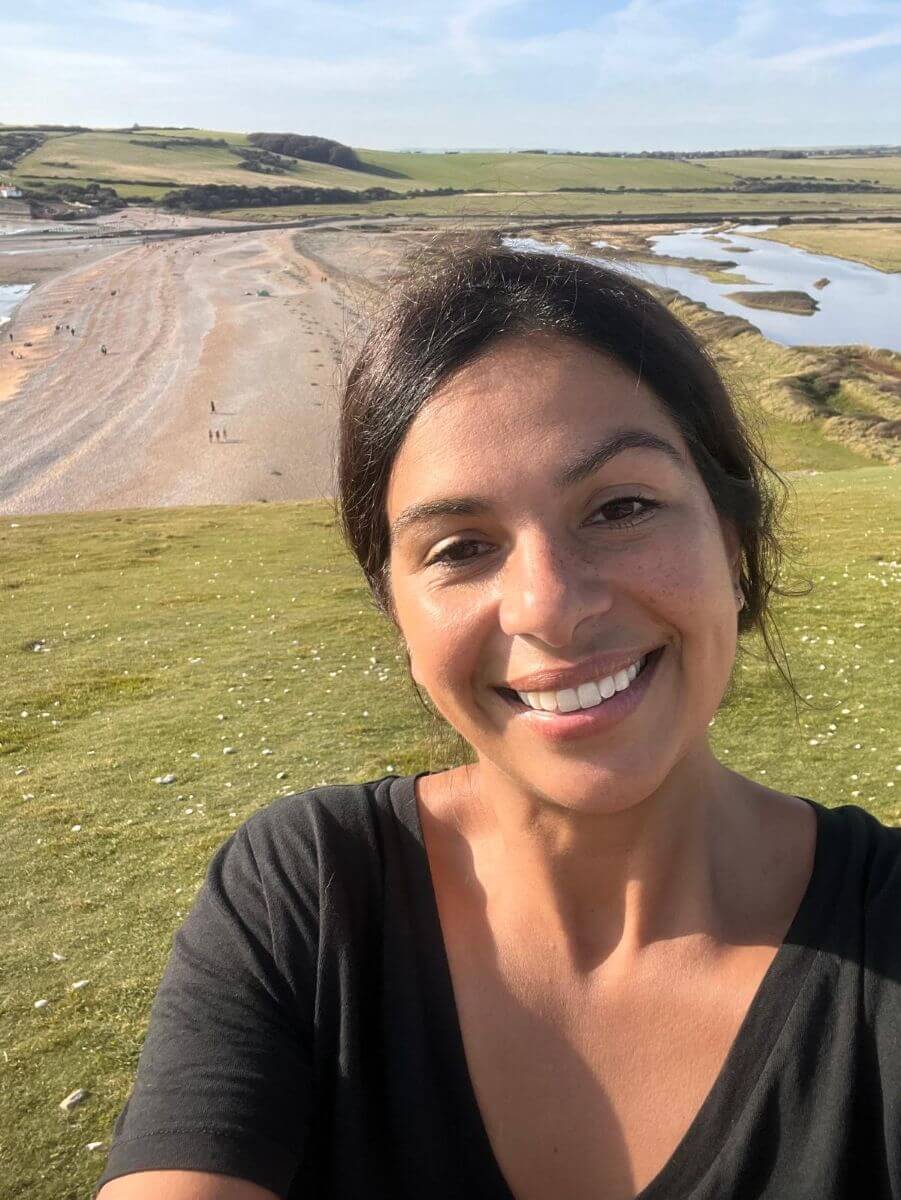
About Rachel
I work with young people from 12 years old to adults.
MBACP-accredited counsellor (since 2015) with an Advanced Diploma in Humanistic Integrative Therapy (CPPD) and certified Mindfulness Now Teacher.
My experience with ADHD and autism combines both lived and professional experience. Alongside having close family members who are neurodivergent, I have worked within the field since I was 16 years old.
In Sussex, my role progressed into managing a community outreach team for around five years, overseeing support for autistic young people and their families.
Alongside this work, I undertook further training in counselling and psychotherapy from 2012. By 2015, I had established my private practice in Brighton & Hove, where I have worked predominantly with autistic and ADHD clients, providing neurodiversity-affirming therapy tailored to each individual’s needs.
Having worked in the field of autism and neurodiversity for nearly three decades, my practice is informed by extensive clinical experience, ongoing professional development, and a deep understanding of both the strengths and challenges that neurodivergent individuals may experience across the lifespan.
As an integrative therapist I have attended workshops including Internal Family Systems (IFS) and other trauma-informed training, including Janine Fischer and level 1 in Brainspotting, all of which has very much influenced how I work.
I have been qualified as a Dialetical Behaviour Therapist (Dialectal Behaviour Therapy) therapist for 8 years. I now offer short- and long-term trauma-informed therapy, drawing from my experience as a humanistic integrative counsellor.
I have completed a Foundation Course in Group Analysis (Institute of Group Analysis, London, 2024) and am continuing my training and starting the Diploma Course in Group Analsysis in September 2026.

“I saw Rachel for about 1 year in total, after a serious road traffic accident that changed my life completely. Which also coincided with the loss of my Mother. I was taken by her ability to empathise , as there has been a massive change in my life. Rachel was friendly and thoroughly professional. Her approach made me feel totally at ease , speaking of absolutely anything and everything. She helped me a great deal, especially helping me come to terms with all I had lost, including physical problems I am now left with. I would recommend Rachel to anyone thinking of getting help. My time spent with Rachel was definitely worthwhile.”
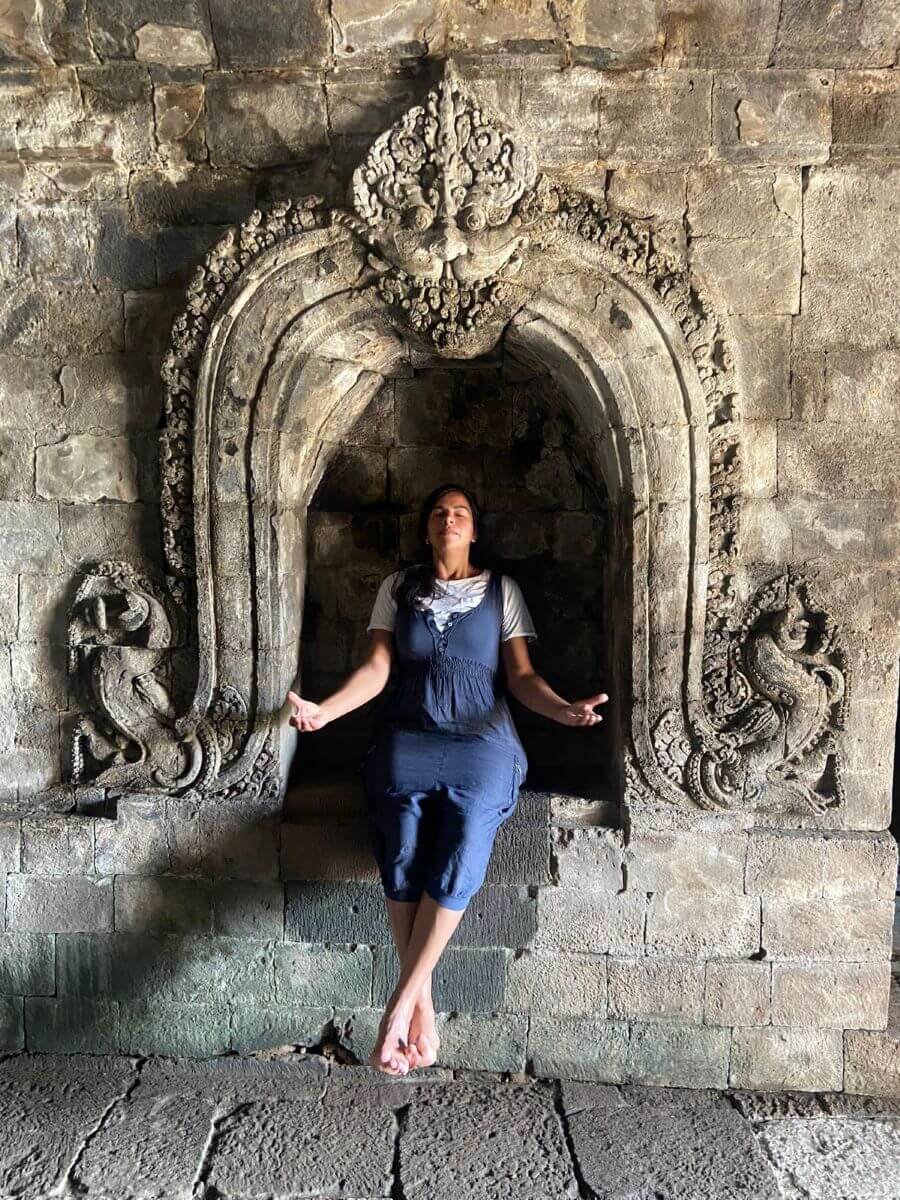
What is the difference between a therapist and mindfulness teacher
Mindfulness teachers focus on creating a space for individuals to enhance their self-awareness and develop acceptance while gaining deeper insight into their internal and external world. Mindful awareness is explored through guiding individuals to self-inquire. Enquiry length can be short, whereas therapy sessions tend to be longer. The nature of enquiry is descriptive, while therapy is more explanatory. In enquiry, we seek experiences, whereas in therapy, we aim to interpret and provide reasoning. It is important to understand that clients applying for the Mindfulness Now program are seeking and expecting mindfulness, not therapy.
Mindfulness can be integrated into therapy, but not the other way around. Therapists typically explore a wider range of mental health struggles using therapeutic interventions to help individuals understand and make sense of their emotions, thoughts, and behaviors. Therapists look for a story, while mindfulness teachers aim to listen to the client’s story. Mindfulness teachers do not try to unravel people’s issues as therapists would; it is acceptable if an issue remains unresolved. Mindfulness teachers are not analytical; instead, they support self-insight, and their own personal story is of little importance. The purpose of teaching mindfulness is to facilitate a process that can lead to more effective self-awareness, whereas a therapist would facilitate more thinking and meaning and may even play a supportive role.